• View:

Digital Platforms: Funding Landscape

Digital technology is increasingly being leveraged by organisations working in the social sector to create impact and enhance service delivery across a range of sectors. Digital public goods have the potential to unlock opportunities worth USD 700 Bn in India and scale impact for its citizens. This study, conducted across

Respond > Solve > Evolve

Sattva undertook a research study commissioned by Kamonohashi Project (Kamo) to develop a report on the Anti-Human Trafficking (AHT) solution ecosystem in India.

Programme Management – Skilling

A social development incubator had developed a programme, funded by a large investment bank, to improve gender diversity ratios and quality of candidates entering the retail sector.

Gender-Lensed Public Procurement in India

Although existing literature suggests that there has been greater inclusion of gender-equality across legal regulations, the literature also suggests a gap in policy translating to action.

The India CSR Outlook 2025

The India CSR Outlook 2025: Decadal trends and emerging insights This early analysis of corporate giving in India highlights emerging trends to watch in FY 2025-26. Drawing on a decade of data, it explores key shifts in both compliance-driven and voluntary contributions. The report examines which regions receive the lion’s

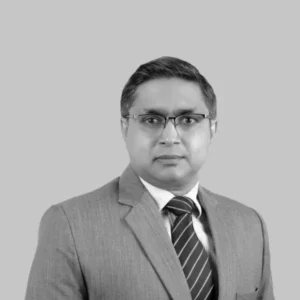
N.S. Arun

An economist by training, Arun has over 19 years of work experience including 10 years as a macroeconomist.

At Sattva, he leads engagements with global philanthropies and the government that involve conceptualising and co-creating impactful solutions to complex strategic and policy issues.

Generating rigorous and actionable research is

Digital Solutions for Women-Owned Enterprises

There are different approaches that have been used to address the barriers faced by women-owned enterprises. Digital solutions could provide a scalable means of linking women to markets and job opportunities.

Gender Wage Gap in India

Gender Equality and Women Empowerment is recognised as a critical component of sustainable development and is an area where Sattva has worked on extensively. We present a quick overview of the gap in wages earned by men and women in India.

  • View: