• View:

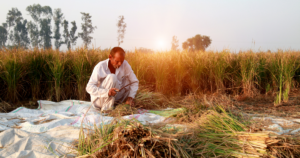
Circular Economy Models in Agriculture

Despite the lack of a common definition for circularity, there are some core principles to help us identify the concept: i. Minimising waste and pollution ii. Preserving and regenerating natural ecosystems while dealing with waste and residue iii. Promoting fairness and inclusivity across local communities that bear the social costs

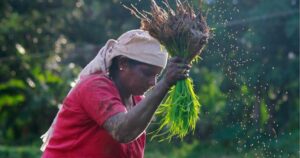
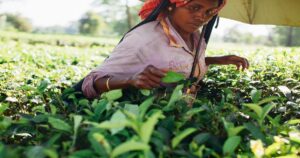
An Indian woman farmer on her field

Opinion: Rethinking How We Measure Women’s Workforce Participation

In recent years, alarms have been sounded regarding the declining women labour force participation rate in India, which currently stands at approximately 30%, according to the latest data from the Periodic Labour Force Survey. This measurement is a key indicator of not only women’s workforce participation, but also a country’s

CSR Compliance – Regional Series

Sattva has hosted a series of webinars in Regional languages to help nonprofits in navigating CSR compliance requirements and to enable such NGOs to potentially leverage CSR engagement to create impact.

Enabling Better Mental Health for Indian Schoolchildren

India has witnessed a significant rise in mental health concerns among children and adolescents, especially since the COVID-19 pandemic. Stigma and lack of awareness lead to low health-seeking behaviours and poor attitudes regarding mental health. Policies such as the National Education Policy 2020, supported by overarching provisions of the National

The Hierarchy of Impact

Creating meaningful change requires valuing different levels of impact. Here’s some perspective on three key anchors.

Industry-wise CSR Analysis

In this report, we have analysed the industry-wise trends of CSR spends over a three year period. We have used the data made available by the Ministry of Corporate Affairs as of January 2019.

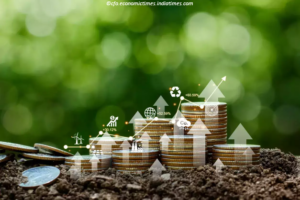
Indian money sitting on a laptop

The Promise of OCEN for Nano Entrepreneurs

Micro and nano enterprises, also considered India’s economic engines, cannot realise their full potential in contributing to the economy due to their lack of access to formal, affordable credit.

  • View: