
STEM education for girls: The path to equity
Research reveals that girls initially display interest in STEM during their formative years, typically between the ages of 8 and 10.

Research reveals that girls initially display interest in STEM during their formative years, typically between the ages of 8 and 10.

Can we imagine creating a network of 7000 leaders that represent the whole of India – Not just geographically but culturally, socially and politically – and can drive transformative change within their block.

This is the first blog in a two-part blog series on a program developed by the Michael & Susan Dell Foundation and Sattva Consulting to expand English-language skills to address employment challenges in India.
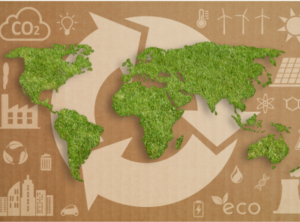
World Environment Day special: While awareness on the role of nature and its importance for our survival is on the rise, it is nowhere close to the work that needs to be done to restore — or at least contain — the climate crisis.
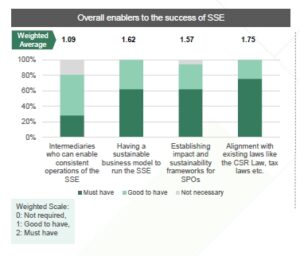
We worked with Mr. Amit Chandra (A.T.E. Chandra Foundation) to incorporate the experience and feedback of institutional funders and foundations into shaping the design of the Social Stock Exchange.
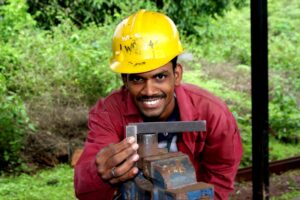
CSRs must work to grow the pie – for society and for themselves. It is possible for companies to operate in such a manner where their own interests align with those of society.

Scroll down for the executive summary and to access the full report, click “Download the report” on the right or at the end of the summary, based on your web browser.
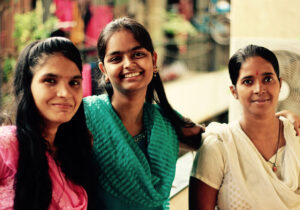
Expanding opportunities to women and moving towards gender equality remains integral to the 2030 agenda for Sustainable Development Goals.This is the first in a series we are doing on Gender Equality in India.
This episode of Decoding Impact with Rathish Balakrishnan features an in-depth conversation with Dr. R Balasubramaniam (Dr. Balu) on the evolution of state capacity in India and its role in India’s development.
Do we take the possibilities enabled by the unique identification system of Aadhar for granted in India today? Certain reports estimate that 850 million people around the world do not have an official ID, and that around 133 countries today do not have a digital payment system. Through India’s digitisation