
Organisation Strategy and Fundraising Strategy for Long-Term Growth
To ensure strategic clarity on preparedness to grow 5x in the next five years and move towards long-term, strategic, and sustainable work at scale.
To ensure strategic clarity on preparedness to grow 5x in the next five years and move towards long-term, strategic, and sustainable work at scale.
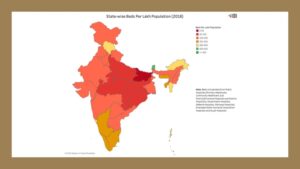
How fragile is our public healthcare infrastructure exactly? COVID-19 has shown us that the need for a robust public healthcare system has never been more pressing.

How industrial companies price, manage, and report carbon risk

In the last few years, digital health has emerged as a potential game changer for enabling accessible, affordable, and quality health care for all. The pandemic has only emphasised the role of digital health as a key enabler to achieve universal health coverage. In spite of the high potential of
Share CORPORATES CSR Advisory and Programme Management Our Advisory services focus on helping our clients achieve their vision and goals for social impact. We consult on strategy for transformative ideas and models of social change, to ensure client success. At vero eos et accusamus et iusto odio dignissimos ducimus qui

The importance of enabling financial inclusion has taken front seat during COVID-19. Collectives hold the potential to impart digital literacy, creating an opportunity for stakeholders to address and invest in this structure.
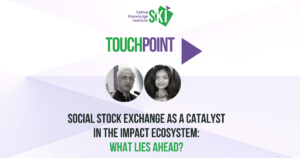
The ninth webinar in the SKI Touchpoint series, conducted by the Capital for Impact Practice Area, delved into the topic of ‘Social Stock Exchange as a Catalyst in the Impact Ecosystem: What Lies Ahead?’. The session, facilitated and moderated by Lekhya Reddy, Engagement Manager and Lead of the Capital for Impact Practice Area, in collaboration

The priorities of corporate giving are changing, one example of which is reduced funding towards education and increased priority to environment, as per recent MCA data.
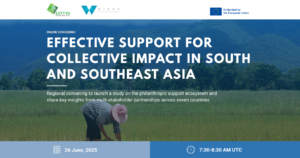
This convening marks the official launch of the report based on the study of the philanthropic support systems and multi-stakeholder partnerships across seven countries.

Carbon Markets have the potential to facilitate swifter progress towards meeting worldwide targets for the reduction of greenhouse gas (GHG) emissions.