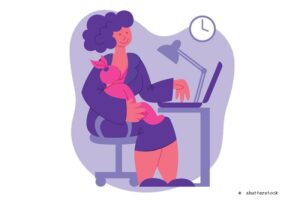
Breaking Breastfeeding Barriers for Working Women
India needs stronger legislation, better maternity policies and quality childcare, to enable women employees in the formal and informal sectors to achieve positive breastfeeding outcomes

India needs stronger legislation, better maternity policies and quality childcare, to enable women employees in the formal and informal sectors to achieve positive breastfeeding outcomes
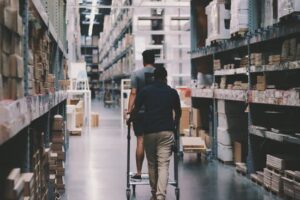
The demand for skilled manpower in the logistics sector has witnessed a surge in recent times, owing to government and industry-led initiatives. This article explores the existing scenario in logistics skilling, and explores emerging areas for stakeholders to intervene.
Scroll down for the executive summary and to access the full report, click “Download the report” on the right or at the end of the summary, based on your web browser.
Scroll down for the executive summary and to access the full report, click “Download the report” on the right or at the end of the summary, based on your web browser.
Share CORPORATES CSR Advisory and Programme Management Our Advisory services focus on helping our clients achieve their vision and goals for social impact. We consult on strategy for transformative ideas and models of social change, to ensure client success. At vero eos et accusamus et iusto odio dignissimos ducimus qui

November 13, 2024 (Wednesday) | 10:30 AM – 03:00 PM | India Habitat Centre, New Delhi Join us for a day filled with inspiring discussions, interactive group sessions, and opportunities to connect with leaders aiming to advance sustainability agenda and foster meaningful discussions around environmental stewardship in the Indian e-commerce ecosystem. Here’s
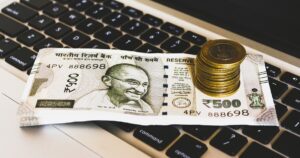
Micro and nano enterprises, also considered India’s economic engines, cannot realise their full potential in contributing to the economy due to their lack of access to formal, affordable credit.

In India, 1 out of 12 girls gives up on her educational journey before completing secondary education. Globally, more than 130 million girls are out of school until 2020 as per the reports of World Bank and UNICEF. An adolescent girl in a low-income country is nearly twice as likely
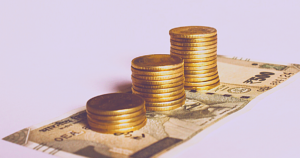
Across donors, more than half of the initiatives they are prioritising are related to skilling, but of these,there is little focus on entrepreneurship and social protection.
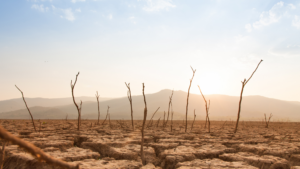
Author : Shriram Bharathan R, Advisor, Environmental Sustainability Anthropogenic emissions (emissions caused by human activity) have caused climate change and the impact of this climate change affect all life – from microbes to humans and oceanic behemoths on the planet – negatively. The European Environment Agency estimates that the economic