• View:

Technology landscape of Indian agriculture

Technology landscape of Indian agriculture

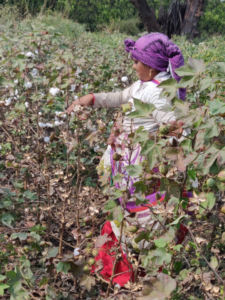
The need for Technology in AgricultureA rising global population, rapid urbanisation, and changing consumer demand are putting great pressure on food systems to meet the overall demand for food, and mitigate the environmental effects of agriculture in a sustainable manner. Technology can make agriculture more productive, efficient, sustainable, inclusive, and

Consulting – Change Management

A Mumbai-based non-government organisation operates the world’s largest 24-hour toll free emergency phone service for children in distress that is spread across 420 districts in India.

India needs to create jobs, and they have to be green

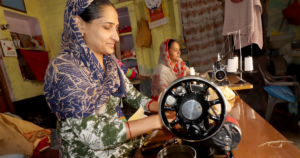
As the government works on job creation, an important focus will be to create new jobs that are climate- and sustainability-focused, and upskill the existing workforce to keep up with the country’s ambitious green transition goals.

Empowering Girls in STEM: Insights from the Digital Inclusion Summit

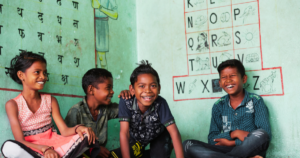
We are thrilled to share that Sattva Knowledge Institute collaborated with Muskaan Dreams and the Global Digital Alliance as the knowledge partner for the Digital Inclusion Summit 2024.  Digital Inclusion Summit is a global movement that aims to close the digital gap for 120 million students in India, bringing key

Can Account Aggregators disrupt the status quo of financial data sharing in India?

While India’s credit market has been expanding since the pandemic, it is the least robust among its Asian peers, due to bottlenecks within its financial data sharing systems. No standardised systemfor data sharing and consent management in India’s financial sector, resulting in inefficiencies and data privacy concernsOnly 29% of Indian

Sattva team at the EVPA Conference 2022

Learnings from Sattva’s participation at the EVPA Conference 2022

Daniel Rostrup Last week, Sattva participated in the European Venture Philanthropy Association (EVPA) Annual Conference, one of the most influential gatherings in Europe for those investing for impact. I had the opportunity to attend the session, along with over 700 social sector funders gathered in Brussels, and our Sattva team,

Open Data for Measuring Water Risk and the Role of Citizen Science

Measuring water risk requires multidimensional, geospatial data which is a combination of hydrogeological, socio-cultural, administrative and economic indicators and collected at an adequate temporal frequency. At present, in India, this data is not collected at a resolution high enough to be meaningful for micro-level planning of water conservation initiatives, or

  • View: