
Respond > Solve > Evolve
Sattva undertook a research study commissioned by Kamonohashi Project (Kamo) to develop a report on the Anti-Human Trafficking (AHT) solution ecosystem in India.
Sattva undertook a research study commissioned by Kamonohashi Project (Kamo) to develop a report on the Anti-Human Trafficking (AHT) solution ecosystem in India.
A note that breaks down some of the key questions and implications of the recent amendments to the Companies Act 2013, some macro takeaways and what these amendments could mean for companies and non-profits.
Most organizations neglect support functions while focusing on their core programs and processes. And this can have a significantly negative impact on the funding NGOs obtain from donors.
Although the pandemic had led to unprecedented disruptions, it has also paved the way for unique opportunities of digitalization, optimization, and collaboration.
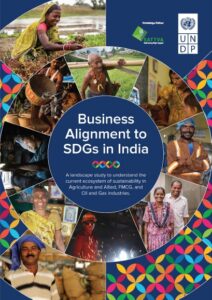
Sattva and the United Nations Development Programme (UNDP) undertook the study titled “Business Alignment to SDGs in India” to plot the landscape of reported sustainability interventions across the Agriculture and Allied, FMCG, and Oil and Gas industries in India.
Srikrishna Sridhar Murthy, CEO – Sattva Consulting, was invited to write a blog piece for IIAS recently. In this piece, he talks about the difference CSR has made in the last 5 years and how companies can achieve more.

A briefing document based on remote surveys with over 10,000 migrant construction workers to understand the impact of the Covid-19 lockdown on their lives, jobs and personal well-being.

The momentum around social-emotional learning is not just being driven at the national level, but also actively prioritised by the state education departments.
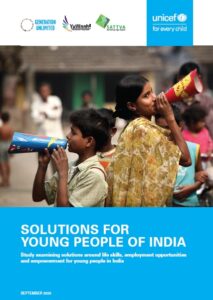
The report adopts a mixed-methods research approach to identify organisations, map solutions, and classify actors working across five areas – Flexible Learning, Life Skills, Career Guidance, Skill Development and Placements, and Engagement of Young People in India.

The importance of enabling financial inclusion has taken front seat during COVID-19. Collectives hold the potential to impart digital literacy, creating an opportunity for stakeholders to address and invest in this structure.