
Enabling Equity in Classrooms in India
Given the enormous diversity within a country like India, there have been remarkable initiatives which emphasise on education for all but do not necessarily solve for equity.
Given the enormous diversity within a country like India, there have been remarkable initiatives which emphasise on education for all but do not necessarily solve for equity.
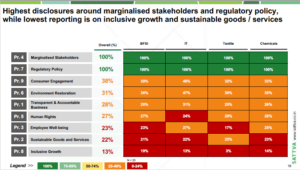
It is interesting to see an increased interest and focus on news related to ESG performance of various organisations. The trend is expected to have both direct and indirect effect on information that corporations will be required to report on/consider in their businesses.
Ritchika Dsouza Thimmaiah brings 12+ years working extensively across the social impact sector across NGOs and corporates. As Regional Head for Corporate Advisory at Sattva, Ritchika currently manages the CSR engagement with corporate clients.
In our continued efforts to build the capacity of nonprofits, Sattva conducted 3 series covering 13 different topics across Fundraising, Donor Readiness and Talent and Development in FY-2022.
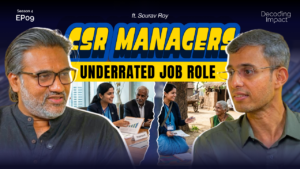
Rathish Balakrishnan and CEO, Tata Steel Foundation, Sourav Roy, unpack how companies can create true, long-term impact.

The transition to green energy is characterised by a shift from centralised energy systems to more decentralised models. This is necessitated by the many inefficiencies that plague traditional energy supply chains. Open networks could be the answer to addressing these inefficiencies. Open networks allow a diverse range of stakeholders —
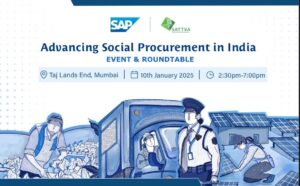
Date: January 10, 2025 3:00 PM | Venue: Taj Land’s End, Mumbai × Dismiss this alert. In continuation to our work in social procurement with SAP, Sattva will launch a report on social procurement, co-authored with SAP and Impact Europe. The event will also showcase successful collaborations, and reflect on
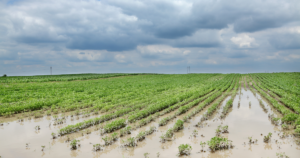
The Agriculture Practice within the Sattva Knowledge Institute convened the first Community of Practice session to explore how data-driven approaches and technological capabilities can lead to solutions in designing water-positive risk assessment tools.

Research shows that 92% of individuals are socially inclined in one way or the other.

There is real opportunity for the global business community to drive sustainable growth, efficiency, innovation and hence for reputation building.