
For decades, high temperatures have been an intrinsic part of the textile manufacturing process in India.
Factories usually rely on steam-intensive operations, high-speed machinery, boilers, dryers and pressing equipment for processes such as spinning, weaving, dyeing, which in turn generate a substantial thermal load.
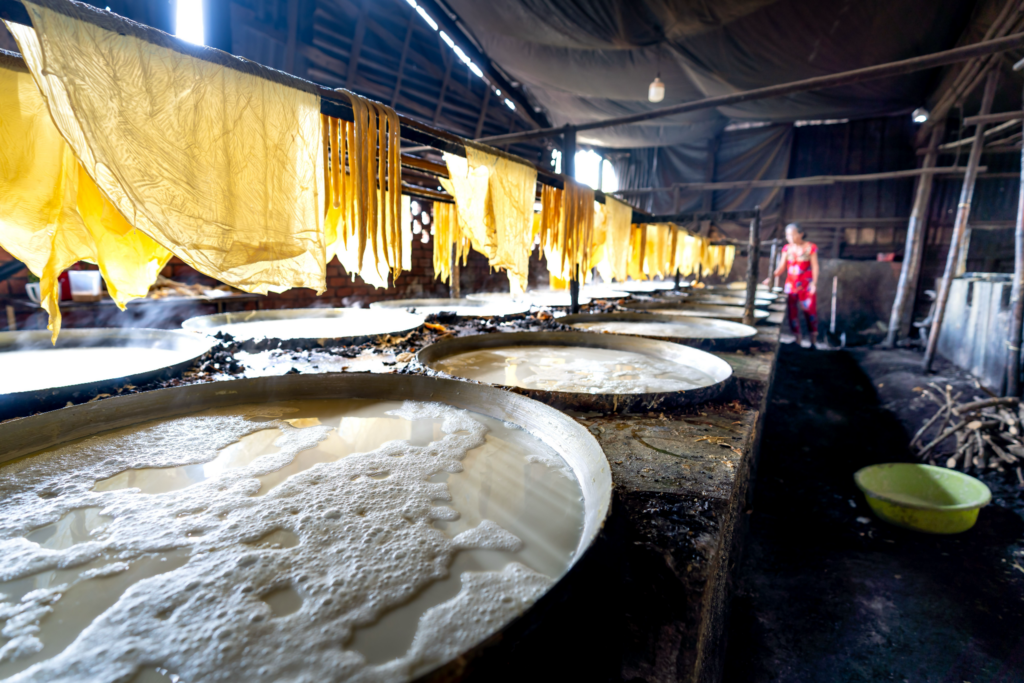
Many of them operate from large industrial sheds with metal or asbestos roofs, limited insulation, inadequate ventilation and densely packed production lines designed to maximise output rather than thermal comfort. Together, these factors cause heat to build up inside factories, resulting in indoor temperatures that are often significantly higher than the ambient outdoor temperature.
The textile and apparel industry, employing over 45 million workers and contributing ~2.3% to the country’s GDP, has long accepted sweltering factory conditions as an operational reality. However, as climate change is amplifying the frequency and intensity of heat events, this approach is becoming increasingly unsustainable. Prolonged heatwaves and harsh summers, combined with thermal loads generated during production are affecting worker wellbeing and operational performance.
Heat is Quietly Eroding Business Performance
Manufacturing clusters such as Tiruppur, Dindigul and Erode routinely experience temperatures between 35°C and 41°C, while hubs including Delhi, Surat and Mumbai are witnessing recurrent heat events. In 2024 alone, India recorded 554 heatwave days, exposing workers to long periods of heat stress. As temperatures continue to rise, fatigue, dehydration and reduced concentration also affect factory performance.
As one garment worker from Erode described it, “It feels like we’re trapped inside an oven. The heat doesn’t leave, it just builds up.”
According to a recent study, 87% of surveyed garment workers experienced heat-related illnesses, while 69% reported that heat affected their ability to work. Around 88% reported feeling drained during peak summer months, while 78% said they avoided drinking water or taking breaks because production targets and restricted washroom access discouraged them. As Sandhya, a Worker Representative from Delhi, explained, “Workers take a break only if we have met our hourly production target.”
Another study of garment factories across Tamil Nadu, Karnataka, Maharashtra, Haryana and Odisha, documented that during periods of extreme heat, factories reported productivity losses of up to 10%, higher rates of stitching errors, sweat stains and contamination on garments, temporary production stoppages, reduced delivery reliability and compromised product quality. For every 1°C rise in temperature beyond safe thresholds, labour productivity can decline by ~1.5%, and absenteeism can increase by up to 35% during peak summer months.
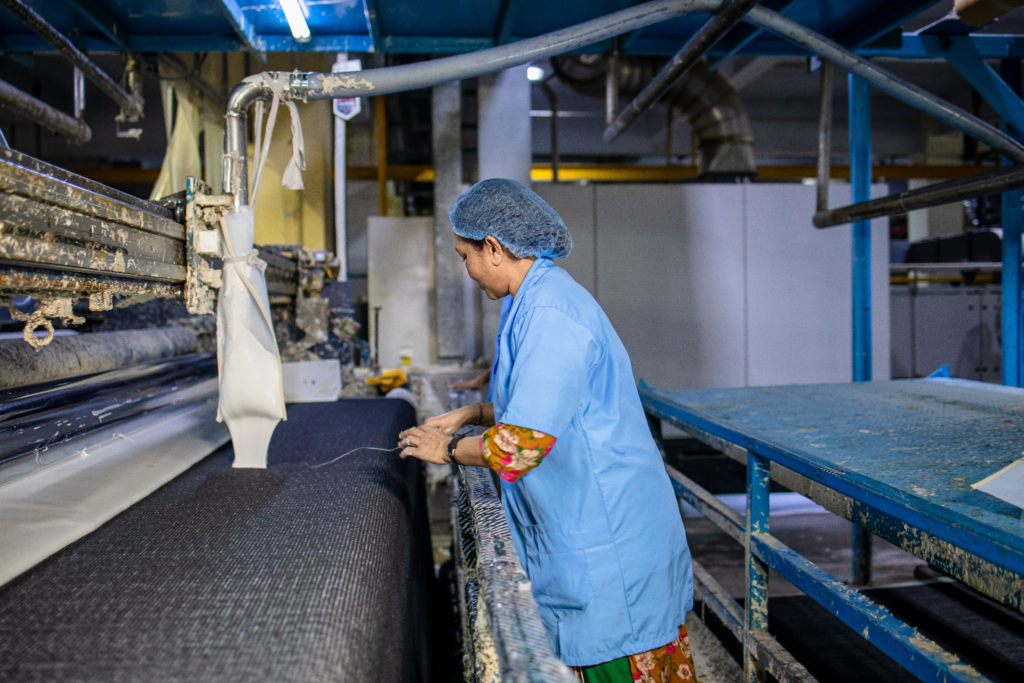
Though the effects of extreme heat are felt first on the factory floor, they directly translate into material business risks. Together, these increase operating costs, disrupt supply chains, delay fulfillment timelines, increase compliance and reputational risks for manufacturers and global brands alike. Heat also heightens financial exposure through higher energy demand for cooling and insurance premiums, which then leads to greater vulnerability to climate-related disruptions across sourcing regions.
Advancing Long-Term Heat Adaptation
Historically, these risks have been addressed through short-term welfare measures such as access to drinking water, oral rehydration salts (ORS), provision of fans, rest breaks, temporary work adjustments, and emergency heat protocols. Some manufacturers are beginning to complement these measures with investments in climate-resilient infrastructure. Reflective roof coatings, insulation, passive ventilation, shading, evaporative cooling systems and improved factory layouts are reducing indoor temperatures, improving worker comfort, lowering cooling costs and supporting more stable productivity.
Though these steps remain essential for reducing immediate health risks, they primarily mitigate the immediate impacts of heat, rather than addressing the structural drivers of rising workplace temperatures. As temperatures continue to soar, these measures are no longer sufficient.
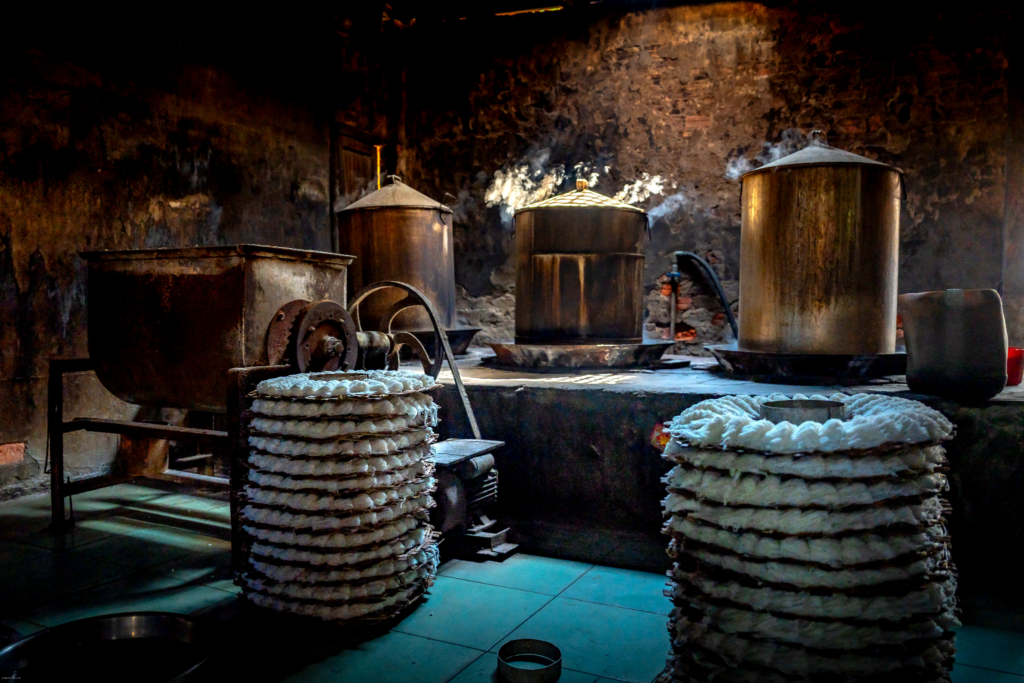
Our recent report with HT Parekh Foundation found that India’s heat adaptation ecosystem remains largely in the nascent or emerging stage. The report identifies 66 heat adaptation and mitigation solutions across seven archetypes, including climate-resilient infrastructure, cooling technologies, health and social protection mechanisms, resource efficiency, and data systems.
Yet, none have reached widespread adoption, underscoring the significant opportunity for businesses to accelerate investment in long-term heat resilience.
The report also emphasises that effective heat action depends on granular, hyperlocal data to identify vulnerable populations, monitor heat exposure and target responses. For businesses, this translates into a clear imperative: understanding where heat risks are highest across facilities and supply chains is as important as implementing the appropriate measures themselves.
As climate extremes become more frequent, managing heat will be essential not only for protecting workers, but also for safeguarding productivity, competitiveness and resilience. The industry requires a shift from reactive heat management to long-term climate adaptation.
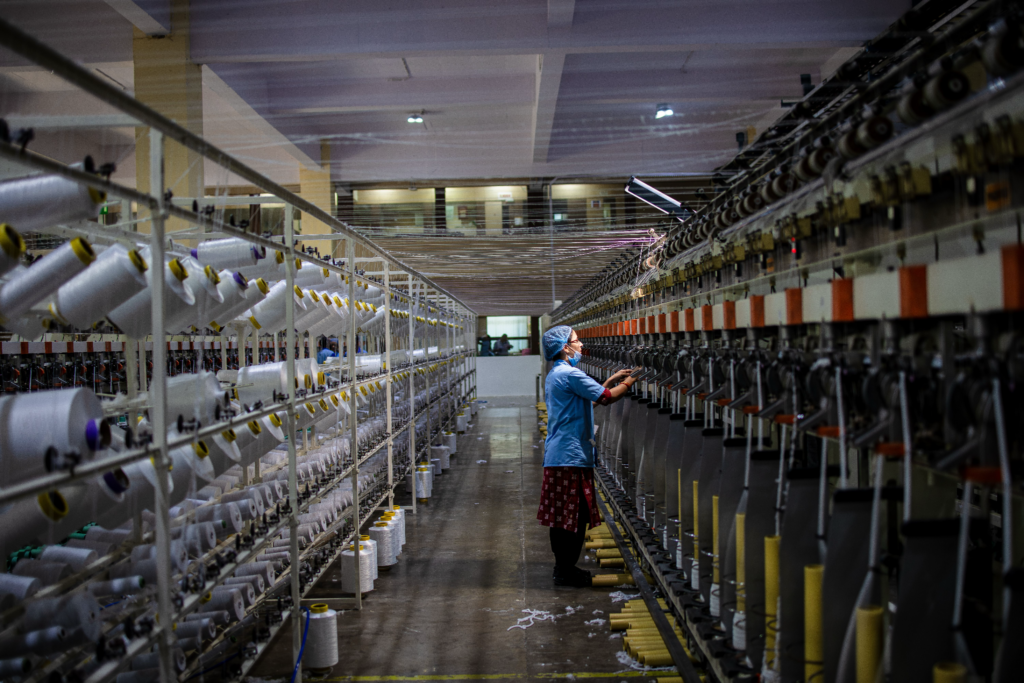
Building climate resilience requires a systems approach. Businesses need to rethink the fundamental design and operations of factories to adapt to rising temperatures. Moreover, achieving long-term resilience will require investments, supportive policies, accessible financing and stronger collaboration to accelerate heat adaptation across the industry.
Scaling Heat Resilience Calls for Collective Action
Recognising this need, Sattva Consulting and Good Business Lab are convening a closed-door roundtable at the Sustainability Conclave at Bharat Tex 2026, titled ‘From Evidence to Adoption: Building the Business Case for Worker-Centred Heat Adaptation in the Textile and Apparel Industry’. The discussion will bring together industry stakeholders, researchers and ecosystem partners to accelerate adoption in the value chain.
The challenge of extreme heat also extends far beyond manufacturing. In our latest podcast, Rathish Balakrishnan, Co-founder and Partner at Sattva Consulting, speaks with Dr. Soumya Swaminathan about how rising temperatures are reshaping public health, livelihoods and economic resilience, and why climate adaptation requires coordinated action across sectors. Listen to the podcast here.
This article is the first in a two-part series on heat resilience in India’s textile industry. In the next article, we will further explore the solutions that need to be adopted across the ecosystem, and what it will take to scale them.
All views expressed are personal and do not necessarily represent those of the organisation.
If your organisation is looking to build heat resilience across operations and supply chains, we’d be glad to continue the conversation at esg@sattva.co.in
Primary Sources:
1. HT Parekh Report https://heyzine.com/flip-book/5980d09896.html
2. Breaking Point: Heat and the Garment Floor https://www.heatwatch.in/blogs/new-report-breaking-point-heat-and-the-garment-floor
3. BetterWork Report https://betterwork.org/wp-content/uploads/Heat_Stress-Report_Oct-31_2025.pdf