
Arun Nathan
Arun Nathan, serves as the primary advisor for our engagement with the non-profit ecosystem, leading the alignment of strategy with the leadership and board.
Arun Nathan, serves as the primary advisor for our engagement with the non-profit ecosystem, leading the alignment of strategy with the leadership and board.
Share CORPORATES CSR Impact Portfolio Advisory Our approach to effective CSR includes a strategic focus on CSR and Impact Portfolio Advisory. CSR contributions are a way to engage corporations to play a hand in solving key issues of development. In a global context, corporations are responsible for engaging all business

Climate change is a pressing global issue with wide-ranging implications for environmental and human well-being, demanding urgent action for mitigation and adaptation. It poses significant threats to human health due to direct and indirect impacts like degraded air quality that exacerbate respiratory ailments, and rising temperatures and intensified extreme weather

At Sattva, we have always believed that in order to end poverty, it is important to strengthen the ability of social organisations to create impact. And as part of our work today, we engage deeply with a wide range of organisations – from some of the largest non-profits in the

Carbon Markets have the potential to facilitate swifter progress towards meeting worldwide targets for the reduction of greenhouse gas (GHG) emissions.

Promoting gender equality and women’s economic empowerment is at the top of the W20 India agenda. But there is scope for an inclusive approach to generating tangible and sustainable commitments.

Sattva supported IEFG and ECFG to amplify the participation and voice of Global South funders in key decision-making discussions at a global scale by conducting an in-depth landscape analysis of key trends, needs, motivations and challenges faced by funders in Asia, Africa and Latin America.

CSR laws in India affect nonprofits uniquely, determining registration, spending, and reporting. Read to know more.

Background While various measures have been taken to transform India’s education landscape, significant challenges continue to plague the public education system such as the high student dropout rate at the secondary level (15%). Nearly 5 crore elementary school students are below the required level of foundational literacy and numeracy; only
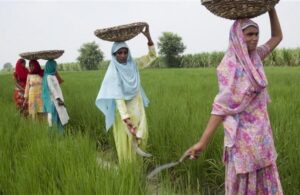
Although most efforts by women go unnoticed due to non-quantification of their contribution, we have tried to highlight some statistics which show that rural women have a long way to go, and require deliberate interventions to empower their status in Indian society.