
Nine takeaways from Climate Week NYC 2024
Here are nine challenges and solutions on the intersection of sustainability, technology, and the Global South.
Here are nine challenges and solutions on the intersection of sustainability, technology, and the Global South.

https://www.youtube.com/watch?v=deFM10Bo058 The Indian energy sector is at a critical juncture. Electricity consumption, a key indicator of economic growth, has grown significantly over the past 50-60 years, and India is primed to leapfrog
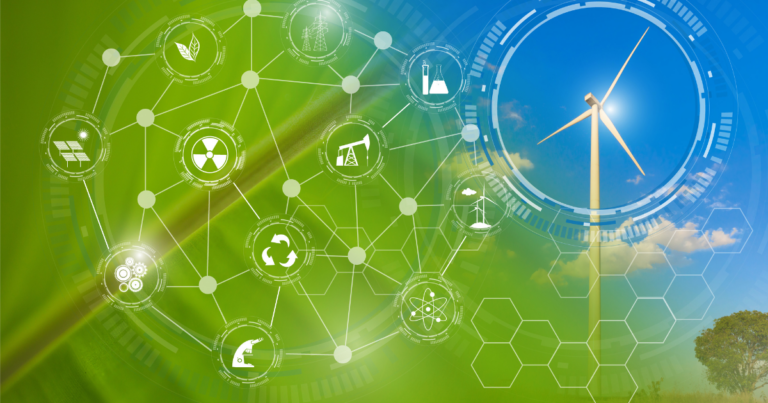
The transition to green energy is characterised by a shift from centralised energy systems to more decentralised models. This is necessitated by the many inefficiencies that plague traditional energy supply chains. Open networks could be
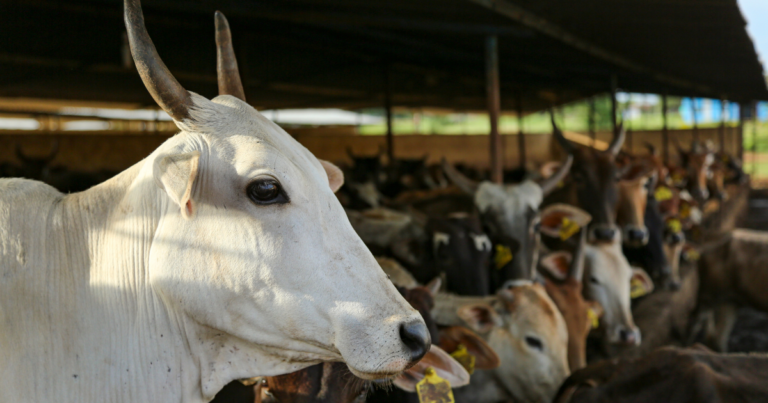
Emerging technologies in sustainable livestock farming are reducing greenhouse gas emissions and boosting farmer incomes. Learn about innovative practices in animal feed, health management, and manure processing from around the world.
Scroll down for the executive summary and to access the full report, click “Download the report” on the right or at the end of the summary, based on your web browser.
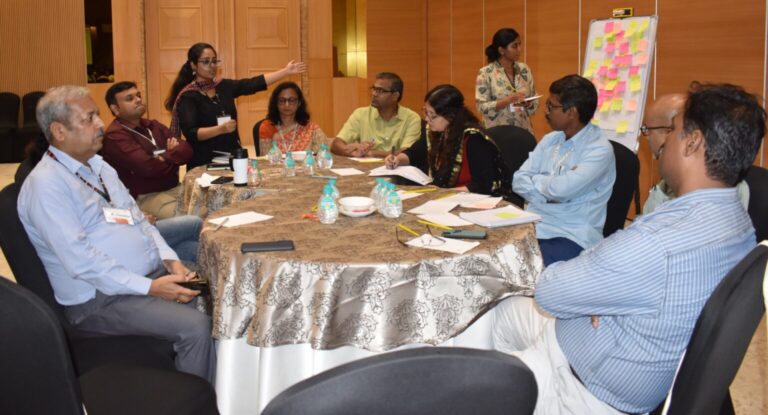
The CGIAR Gender Equality Initiative aims to bundle socio-technical innovations with women at the center to empower and build their resilience against climate-change challenges. The Theory of Change framework highlights the pathways and the most

https://www.youtube.com/watch?v=45W8Rt2AGdk&t=1s Worldwide, roads are increasingly seeing the presence of electric vehicles (EV) and India is expected to take 30% of the EV market worldwide. However, these tailwinds are attracting many players to
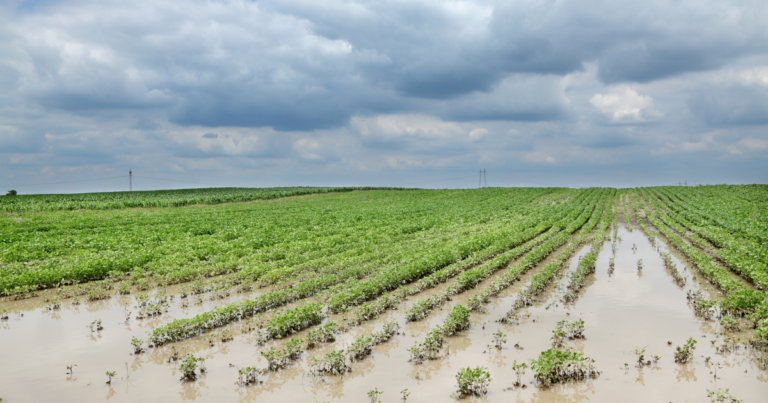
The Agriculture Practice within the Sattva Knowledge Institute convened the first Community of Practice session to explore how data-driven approaches and technological capabilities can lead to solutions in designing water-positive risk assessment tools.
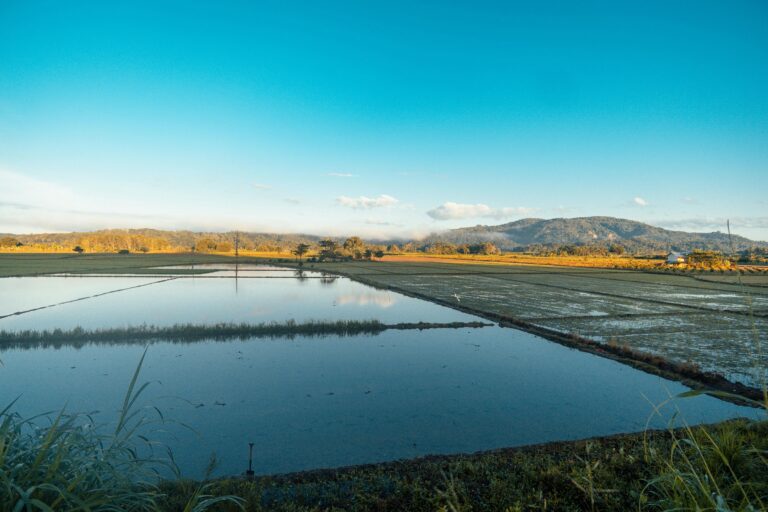
Agriculture accounts for a whopping 89% of the water use in India, against the 69% global average. India takes 2-3 times the quantity of water compared to leading agricultural producers like Brazil, USA and China,
How do we fix climate financing to avoid a global increase in temperature above 1.5℃? And how can we do this while delivering on the rest of the SDGs, ensuring a just and equitable transition?