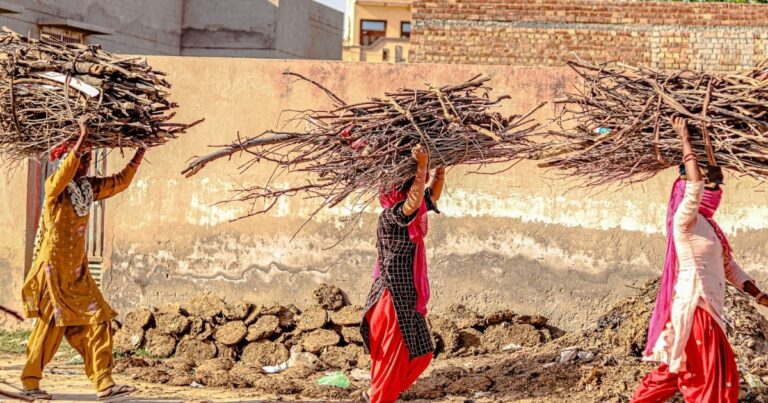
Female Labour Force Landscape in India
India has a female labour force participation rate (FLPLR) of about 25%, one of the lowest in the world, against the global average of 48%.

India has a female labour force participation rate (FLPLR) of about 25%, one of the lowest in the world, against the global average of 48%.

COVID-19 presented an opportunity to re-evaluate structural barriers and to “build back better”. Our blog on the SelectHER programme highlights how long-term engagements can add value to the employability of women and bring meaningful change
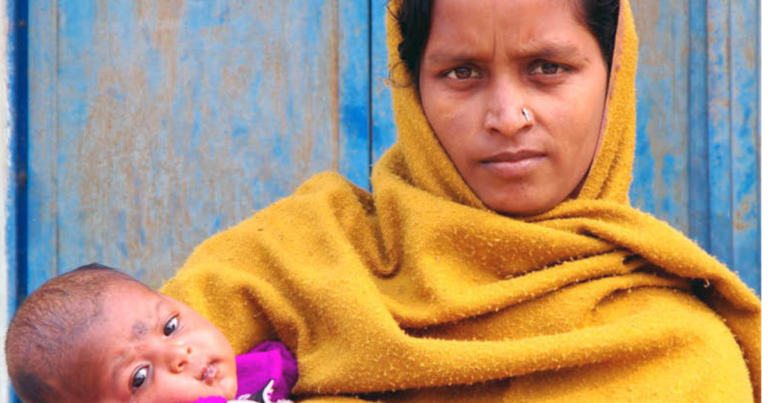
Women’s agency is a function of factors such as their level of literacy and education, employment status, ownership of assets such as land, and inclusion in the formal banking system.

Sattva brought global and domestic philanthropists, private sector leaders, multi-laterals, and a social enterprise together, for a roundtable conversation on market-led scalable models for enabling women entrepreneurs.
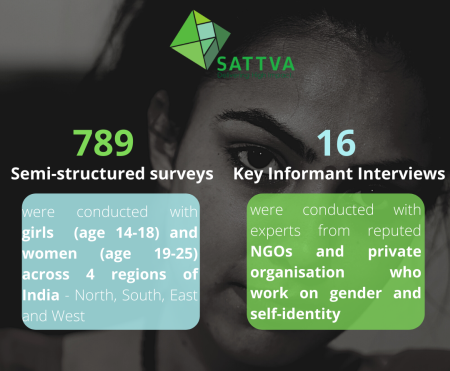
Sattva recently conducted a research study, in collaboration with one of our clients to support them in designing their gender-focused social impact programme. This programme was focused on helping young women understand their identities and
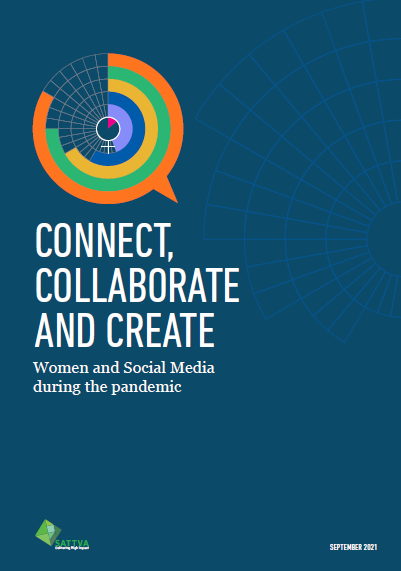
This discussion paper outlines the impact of social media on women in the pandemic hit world. It also highlights the key considerations that will enable social media platforms to have a wider reach and deeper
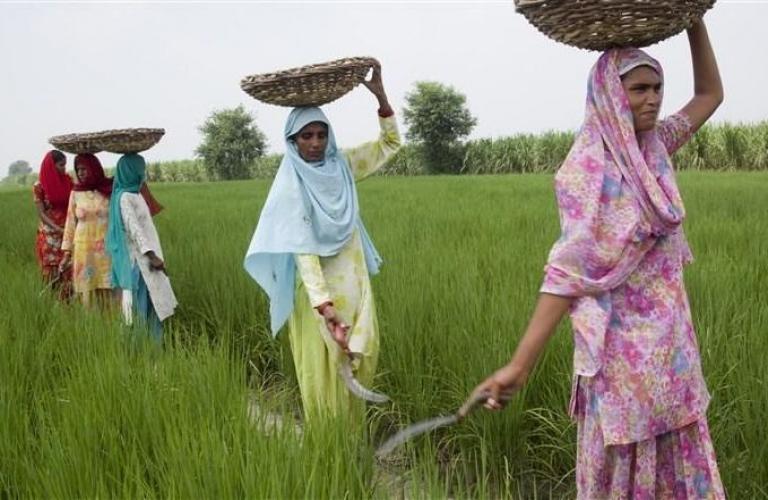
Although most efforts by women go unnoticed due to non-quantification of their contribution, we have tried to highlight some statistics which show that rural women have a long way to go, and require deliberate interventions
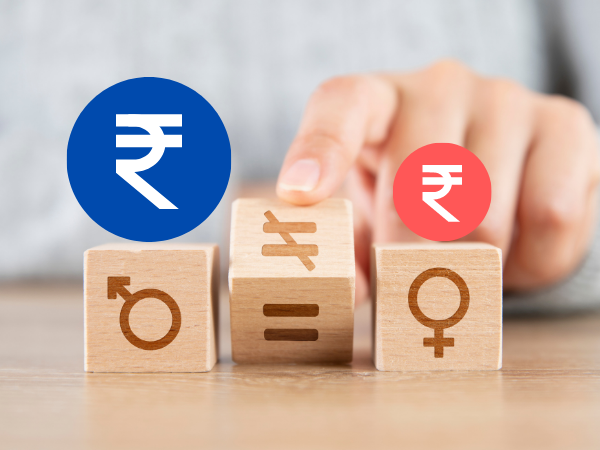
Gender Equality and Women Empowerment is recognised as a critical component of sustainable development and is an area where Sattva has worked on extensively. We present a quick overview of the gap in wages earned
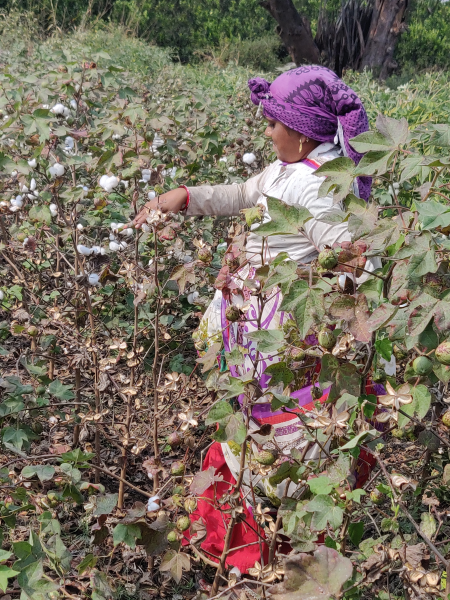
This gender sensitisation toolkit seeks to provide an approach for organisations and / or trainers working closely with farming communities or those implementing agricultural programmes.
Gaps in knowledge and limited risk perception on child trafficking (CT) and commercial sexual exploitation of children (CSEC) are among some of the key drivers for continued exploitation of children in West Bengal, India.