As India’s EV market scales, sustainable sourcing, cleaner manufacturing and circularity will be critical to building a resilient and globally competitive industry.
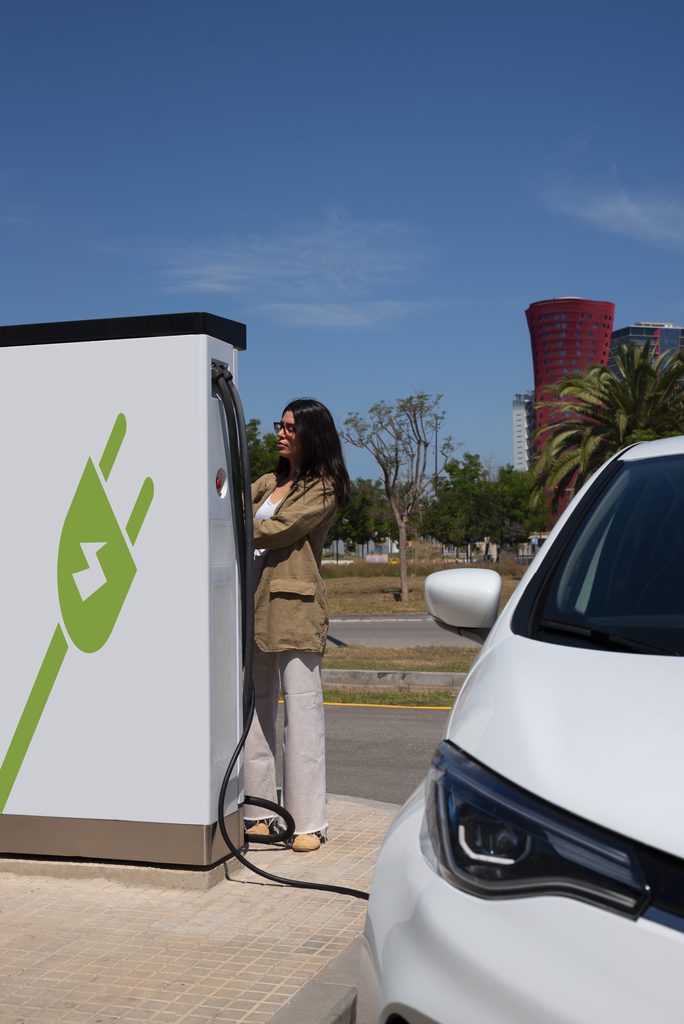
India’s electric vehicle (EV) market is moving rapidly from early adoption towards scale, supported by expanding charging infrastructure and investments in domestic manufacturing. Policy interventions such as the PM E-DRIVE scheme, Faster Adoption and Manufacturing of (Hybrid &) Electric Vehicles (FAME) and the newly notified Corporate Average Fuel Economy (CAFE) norms are further shaping the sector’s growth. With 2.3 million EVs sold in 2025 and adoption reaching 8.26% in FY 2025–26, the sector is approaching a critical inflection point. Advances in battery technology, wider EV adoption and continued investments across the ecosystem are expected to drive the market’s projected growth from approximately $3.71 billion to $191.04 billion by 2034.
However, even as the market expands, an important question remains: how sustainable is the value chain powering this growth? An EV is only as clean as its supply chain. Realising the full climate and economic potential of electric mobility requires looking beyond tailpipe emissions at the environmental footprint of the EV value chain. This spans mineral sourcing, component manufacturing, logistics and end-of-life battery recovery. An EV’s sustainability depends as much on how it is made as on how it is powered.
The Illusion of Zero Emissions
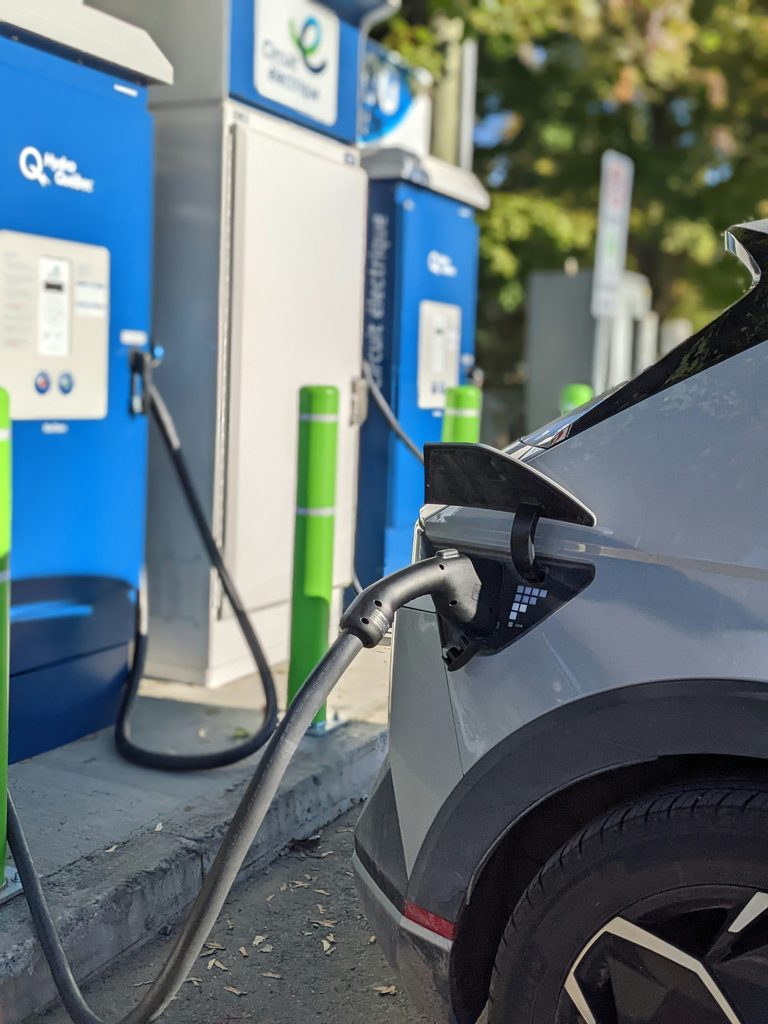
While EVs produce no direct tailpipe emissions, their environmental footprint extends beyond the vehicle’s use to include electricity generation, mineral extraction, battery manufacturing and end-of-life management.
In FY 2024-25, thermal sources accounted for ~74.5% of India’s electricity generation, with coal alone contributing 71%. This means that charging EVs using grid electricity is still associated with emissions from power generation.
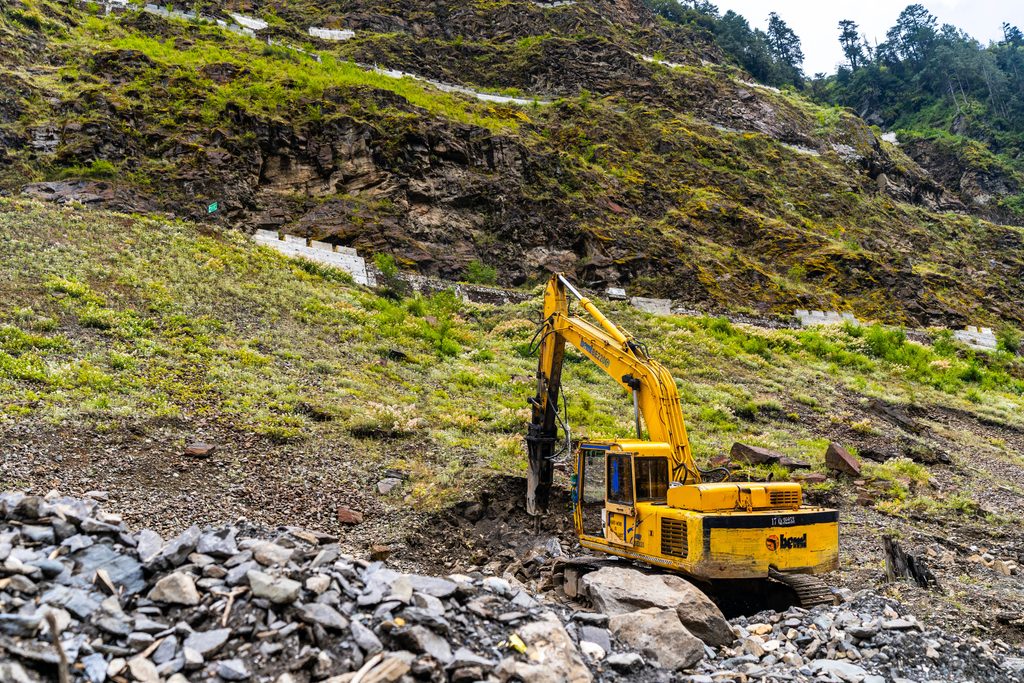
Battery manufacturing also carries an upfront carbon footprint, owing to the energy-intensive processes involved in mining, refining and producing lithium-ion cells. The extraction of critical minerals such as lithium and cobalt involves substantial land and water use, environmental degradation and transportation-related emissions. The additional weight of some EVs can also influence tyre wear and contribute to non-exhaust particulate emissions, although the extent of this impact remains an area of research.
At the end of their useful life, batteries pose further environmental challenges, particularly in the absence of adequate collection, recycling and disposal infrastructure.
These considerations also have implications for original equipment manufacturers (OEMs). Global markets are placing greater emphasis on product carbon footprints, responsible sourcing and supply chain transparency. As these expectations grow, manufacturers face increasing pressure to account for environmental and social risks across their supply chains, with implications for compliance costs, market access and investor and customer confidence. The sustainability of the EV transition will therefore depend not only on wider adoption, but also on how responsibly the vehicles and their components are sourced, manufactured and managed at end of life.
Strategic Imperatives for India’s EV Supply Chain
Securing the long-term viability of the country’s EV transition requires progress across four foundational pillars:
1. Decarbonising Raw Material Procurement
- Localising the Supply Chain: India’s dependence on imported lithium-ion cells and critical minerals such as lithium, cobalt and nickel exposes manufacturers to supply-side and geopolitical risks. Despite the government’s push through the National Critical Mineral Mission, domestic capacity remains limited. Under the ACC Production Linked Incentive (PLI) scheme, which targets 50 GWh of manufacturing capacity, only 1.4 GWh has been commissioned. Accelerating domestic production of cells, synthetic anodes and lithium iron phosphate (LFP) cathodes can reduce import dependence and strengthen supply chain resilience. OEMs can support this shift through long-term procurement contracts and volume commitments that give domestic suppliers greater investment certainty, particularly for local tooling and manufacturing capacity. They can also help eligible suppliers access relevant PLI incentives. For critical mineral sourcing, raw material price indexation can enable suppliers manage input-cost volatility.
- Advancing Alternative Chemistries and R&D: Investing in alternative battery technologies, including sodium-ion and solid-state batteries, can reduce reliance on resource-constrained minerals. Building domestic capabilities in electric motors and components can strengthen the EV supply chain.
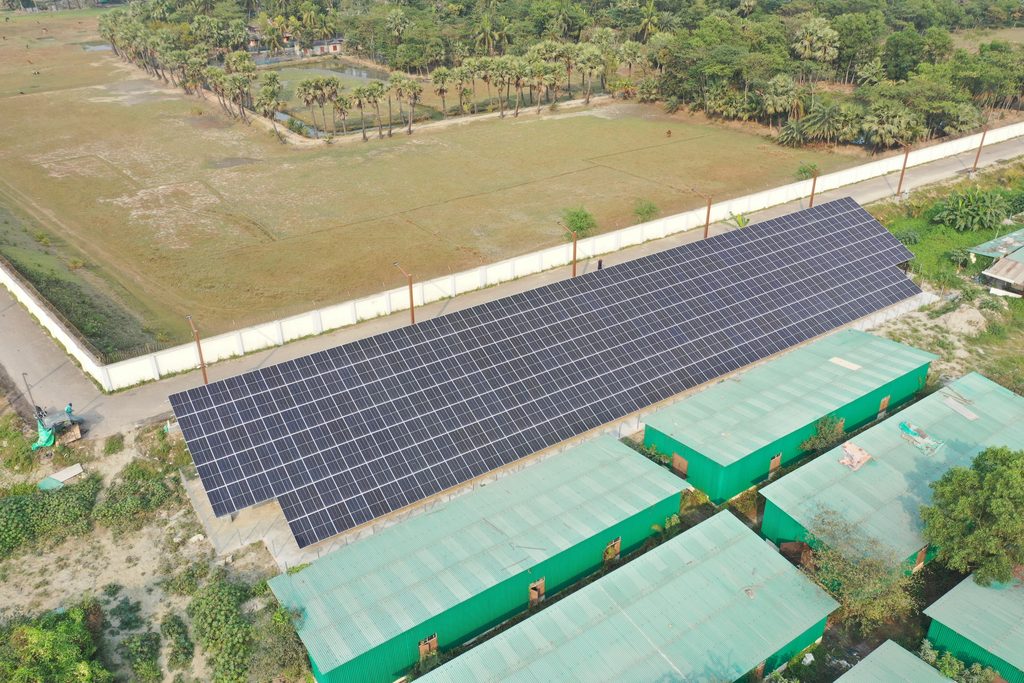
- Transitioning to Renewable Energy: Mineral processing, refining and battery manufacturing are electricity-intensive. Shifting manufacturing facilities and gigafactories to renewable energy can significantly lower the embedded carbon footprint of EVs while improving energy cost predictability and preparedness for stricter product-level carbon requirements. OEMs can extend these efforts across their supplier networks, particularly smaller enterprises, through technical assistance, capacity-building and access to finance to support renewable energy adoption, resource efficiency and emissions measurement.
2. Embedding Ethical and Responsible Sourcing
- Strengthening Responsible Sourcing: Battery mineral extraction carries human rights and environmental risks, including unsafe working conditions and child labour in some cobalt-mining regions. Frameworks such as the OECD Due Diligence Guidance, EU Conflict Minerals Regulation and EU Battery Regulation are raising expectations for supply chain accountability. Hence, manufacturers need to move beyond supplier declarations to risk-based due diligence, independent audits and corrective action mechanisms.
- Improving Supply Chain Traceability: Digital records and battery passports can track materials from extraction to recycling, enhancing visibility into mineral provenance, environmental impacts and labour practices. Reliable data and verification can strengthen supplier accountability, risk management and help meet regulatory requirements and stakeholder expectations.
3. Designing for Circularity
- Scaling Second-Life Battery Applications: EV batteries can retain 70-80% of their initial rated capacity after they are no longer suitable for vehicle use. Repurposing them for stationary storage, backup power and renewable energy integration can extend their useful life before recycling. India’s second-life battery market could unlock ~₹75,500 crore opportunity, with over 49-50 GWh of batteries available by 2030. Unlocking this potential requires investment in diagnostics, repurposing technologies, safety standards and viable business models.
- Designing for Reuse and Recycling: Designing batteries and components for disassembly and material recovery can improve recycling efficiency and reduce costs. Collection and reverse logistics networks are essential to channel end-of-life batteries to authorised facilities.
- Building Closed-Loop Recycling: Advanced recycling can recover lithium, nickel, cobalt and other valuable materials for reuse in manufacturing. This can reduce dependence on imported materials, limit the environmental impacts of mineral extraction and improve resource security. It can also reduce manufacturers’ exposure to raw material price volatility and create new revenue opportunities, while Extended Producer Responsibility (EPR) reinforces accountability for collection and recycling.
4. Building Sustainable Logistics and Reverse Logistics Networks
- Decarbonising Freight and Logistics: Transporting raw materials, components and finished vehicles adds to the EV supply chain’s carbon footprint. Shifting freight from road to rail, optimising routes and loads, improving warehousing efficiency and positioning inventory closer to demand centres can reduce emissions and operating costs.
- Accelerating Logistics Electrification: Electrifying last-mile and intra-city fleets, supported by initiatives such as PM E-DRIVE, can enable cleaner freight movement. Digital platforms such as the Unified Logistics Interface Platform (ULIP) can boost coordination and visibility. The National Logistics Policy, 2022, targets reducing logistics costs from 13-14% to 8-10% of GDP by 2030, offering scope to align cost efficiency with emissions reduction.
- Strengthening Reverse Logistics: Collection, transportation and handling systems are critical to channel used batteries and end-of-life components towards reuse, refurbishment and recycling.
India’s EV transition hinges on a collaborative ecosystem. Progress across the foundational pillars requires coordinated action from four key stakeholder groups: government and policymakers, OEMs and component suppliers, power utilities and charging infrastructure providers, and financial institutions and investors.
Advancing Responsible Supplier Practices
A sustainable EV value chain depends on a key stakeholder: the supplier ecosystem. An OEM’s overall footprint extends beyond its factories to the energy, materials and processes used across its supplier network. Even as automakers adopt renewable energy, carbon-intensive upstream production can significantly increase vehicle emissions.
Therefore, supplier decarbonisation needs to be central to OEM sustainability strategies. This calls for moving beyond periodic assessments to supporting suppliers, particularly smaller enterprises, adopting renewable energy, efficient technologies, waste reduction and emissions measurement solutions. Technical assistance, capacity-building and financing support can address capability gaps, while integrating sustainability into procurement can incentivise wider adoption.
OEMs can advance value-chain decarbonisation through coordinated efforts and shared accountability with suppliers. This requires a combination of financial, technical and operational levers to strengthen supplier capabilities, improve quality, accelerate localisation and drive innovation:
The Blueprint for Collective Progress
India’s EV ambitions depend not only on vehicle production and adoption, but also on resilient, resource-efficient and environmentally responsible supply chains.
Advancing a responsible EV ecosystem requires coordinated action across mineral sourcing, battery manufacturing, renewable energy, procurement, circularity, logistics and supplier engagement. OEMs can integrate sustainability into business and procurement strategies, suppliers can build capabilities, while policymakers and financial institutions can support the transition through enabling policies, infrastructure and access to capital.
Scaling domestic battery recycling infrastructure can reduce dependence on virgin raw materials and lower input costs for OEMs. By 2050, effective recycling could reduce lithium and nickel demand by 25% and cobalt demand by 40%. Government incentives can improve the commercial viability of localised, low-carbon manufacturing, while stricter sourcing requirements increase the need for traceable and compliant raw materials.
These practices can also strengthen consumer confidence and market competitiveness. Transparency in sourcing, energy efficiency and product reliability can build trust in brands and influence EV purchase decisions, particularly in the high-volume two- and three-wheeler segments. Transitioning manufacturing and logistics towards renewable energy can lower operational emissions and align businesses with global ESG expectations. Meanwhile, diversifying sourcing through a ‘China Plus One’ strategy can strengthen supply chain resilience by reducing dependence on a single geography and mitigating exposure to geopolitical and trade-related disruptions.
Companies are expanding domestic manufacturing capabilities. Tata Motors has expanded local sourcing of battery packs and motors through partnerships, achieving over 50% domestic value addition across its EV portfolio. Mahindra, Ola and Amara Raja are also moving beyond module and pack assembly towards cell manufacturing and advanced chemistry cell (ACC) production, supported by the government’s PLI scheme.
Scaling domestic capabilities can help reduce strategic dependencies and reinforce India’s position in the global EV market. Sustaining this growth will also require greater resource efficiency and environmental responsibility across the value chain. Together, these priorities will shape the country’s ability to build a competitive, resilient and sustainable EV ecosystem.